I am a behavioral neuroscientist and Associate Professor of Biology at the University of Mary Washington, a public liberal arts institution in Fredericksburg, Virginia.
My research investigates two primary questions:
(1) how social environments shape physiology and behavior, paying close attention to stress responses and social hierarchy systems; and
(2) how voluntary exercise alters neurophysiology and how these changes drive behavioral adaptations.
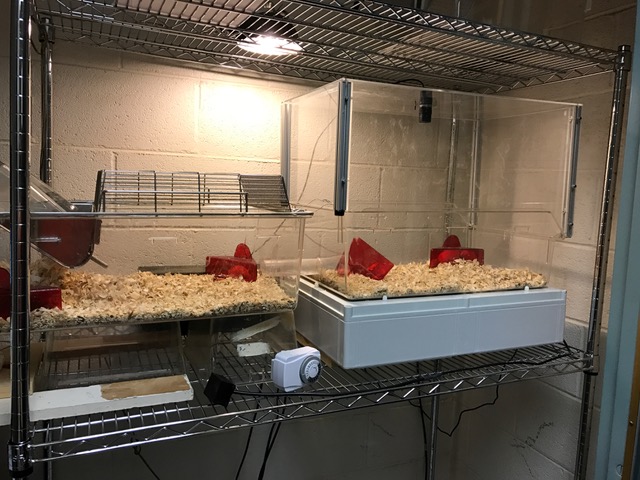
To address these questions, we use mice housed in ethologically relevant paradigms designed to minimize human disturbance and promote naturalistic behavior. These approaches include group-housing systems, including and the Visible Burrow System (VBS), running wheels, and RFID tracking, which allow us to examine social hierarchy, spontaneous voluntary activity, and stress-related behaviors under biologically meaningful conditions.
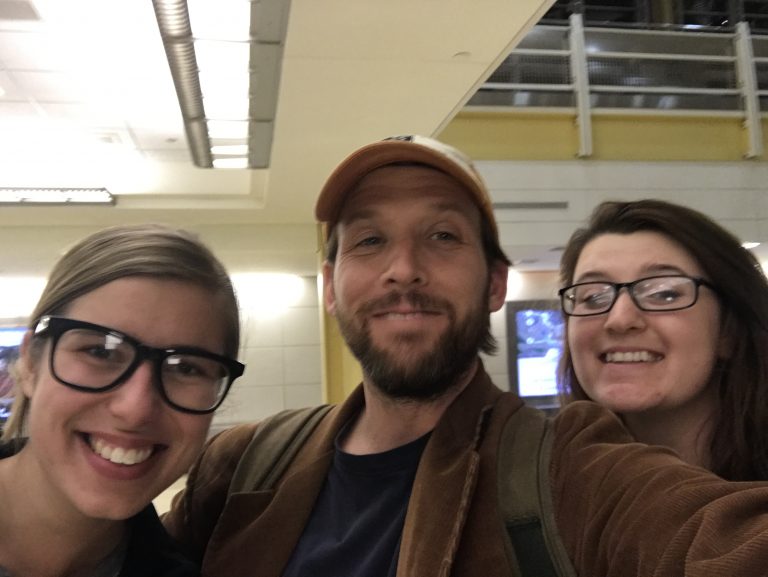
Undergraduate students are central to this work. My laboratory is, first and foremost, a training environment in which undergraduate students participate directly in every aspect of research, from experimental design to behavioral analysis and physiological assessments, and finally, present their research at regional and international symposia.
As a teacher–scholar, my laboratory and classroom are closely integrated. I teach Human Anatomy, Human Physiology, and Neuroethology, a course-based undergraduate research experience (CURE), that focuses on topics central to my research aims.
Below are links to pages that highlight my pedagogical practices, professional research, and the work conducted with students in the laboratory.